Vine harvest and wine juice in Greece

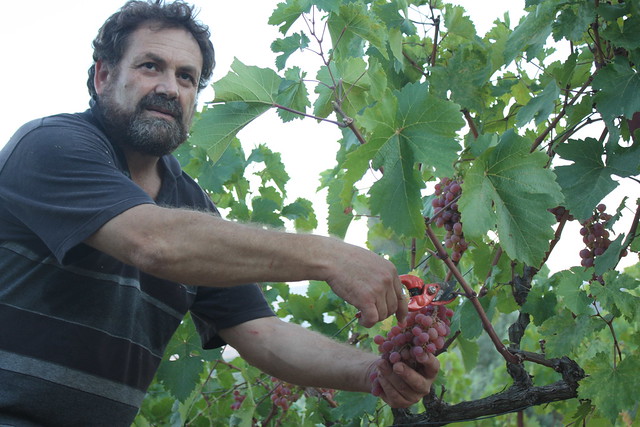
Vine harvest - Atalanti, Greece

See the Greek version of this postI don’t know if you’ve watched old films with vine harvests and wine juice making or wine making but they always seem to contain plucky villagers without shoes stepping on the grapes. That’s all very well and dandy but apparently it hardly ever happens any more.

The team in Atalanti, Greece, went about finding out what actually does happen nowadays to get wine juice. This is effectively the process before one starts wine making. A lot of people in Greece with their own grapes will just take them to a patitiri (the place where the grapes are literally ‘stepped on’) to get wine juice. They then take the wine juice and make their own wine at home.
Continue reading

Chocolate truffles by Daphne

12

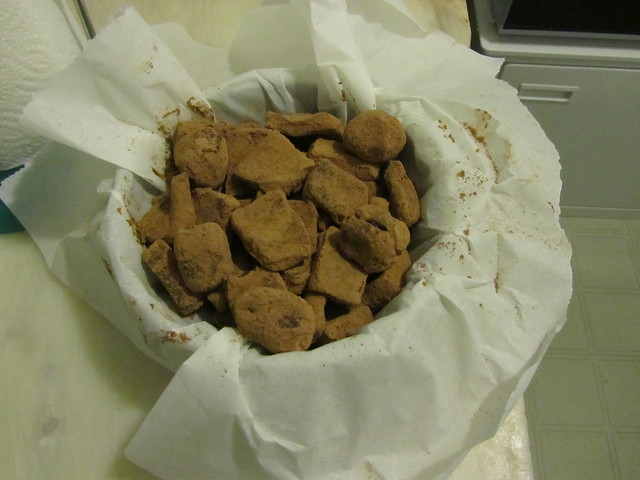
See the Greek version of this postDaphne (deadendmind) sent me a step by step photo recipe for yummy chocolate truffles.

Here’s a note on culture. When it’s our name day or our birthday we traditionally do a kerasma in Greece. It means to offer a bit of food or dessert at work or to friends and family to celebrate. So this is Daphne’s favourite kerasma recipe.

—————————–

When we are celebrating or its our birthday we usually offer some dessert to colleagues. However, in the middle of the economic crises this can be a bit of drain on resources, especially if one wants to offer nibbles to 30 people. What could be better than just making something yourself? However, we are not all be professionals nor have a lot of time. So, here is an easy recipe which yields a lot of chocolate pieces and everyone likes!

Continue reading

The Real Greek moussaka, their souvlaki and the gossip

Chef Alan is funny too!

See the Greek version of this postSo this might seem a bit weird. Why would a Greek go to see The Real Greek chef make moussaka? “Isn’t it like your national dish?”, “Don’t you know how to make it from birth?” Yes, thank you I get the point, even though I learned how to make it when I was 23.

When I got the e-mail for a moussaka making experience from the lovely Megan I thought exactly that. However, I’m always learning so I really wanted to see this staple of the Greek family table done from a professional chef. Secondly, I had completely stopped going to The Real Greek three years ago so I was super curious.

Continue reading

A recipe for Greek wild greens and pics from my mum’s garden

Wild greens

See the Greek version of this postThese days my sister and I are at my mum’s and my stepdad’s house in Atalanti Greece. You can imagine the mayhem.

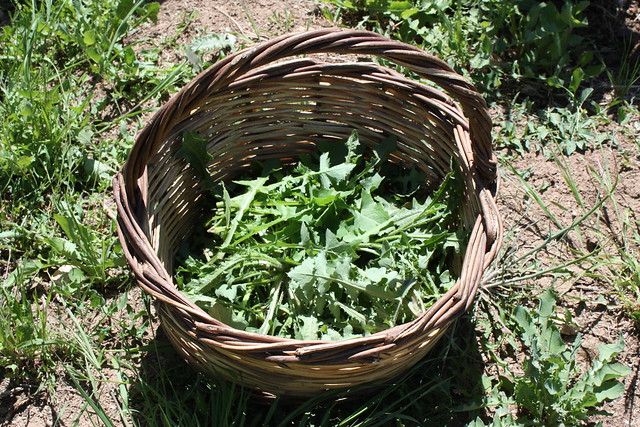
On Friday we had amazing weather so we went out in the garden to gather wild greens. They are called χόρτα (chorta – wild greens) in Greek and we gather them from gardens and fields. I imagine that in an English garden some of those yummy wonders are killed off as weeds. They are boiled and then served hot or cold with olive oil and lemon. They go amazingly well with fish, but I love them any old way.

Continue reading

Feta pie in a cake tin by Mrs. Eleni

Cheese pie in a cake tin by Mrs. Eleni

See the Greek version of this postA few months ago Mama Despoina (my rocking mum) called to inform me that at a dinner with friends she had a mythical cheese pie. I initially failed to grasp the significance of this since my mum rarely expresses such admiration for food. Even rarer is for her to gobble down THREE PIECES of feta pie in one go. So this was clearly a feta pie I needed to know all about.

Continue reading

Greek Easter, the Resurrection hymn and a soup with lamb intestines

My London Magiritsa

Let’s get the scary stuff out of the way first. This is a post about soup with INTESTINES. (Wait! Come back!)

So, now that we are left with the brave folks here goes the story.

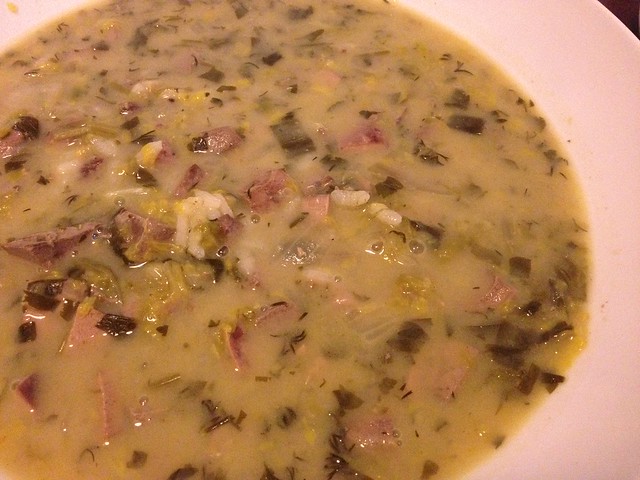
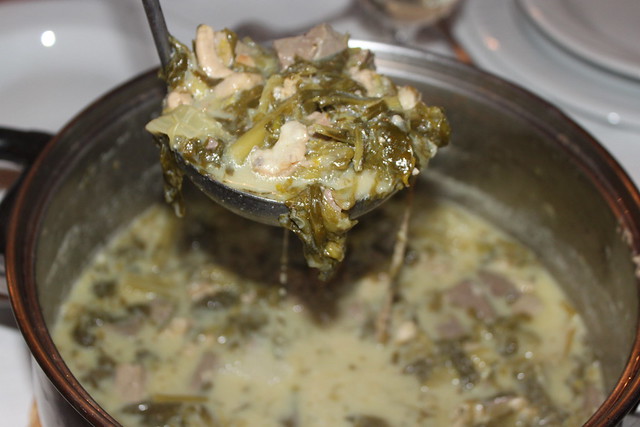
Mama Despoina (also my mum – she simply rocks) blogged the recipe for Magiritsa the other day, the Greek traditional soup eaten after the Resurrection. It’s incredibly yummy even though I know it sounds weird.

Continue reading

Magiritsa – the Greek Easter soup with intestines

Μαγειρίτσα

See the Greek version of this postGreek Orthodox Easter is near and I thought I should write about Magiritsa (aka Magheritsa, Mageiritsa, Mayeritsa, Mayiritsa), the soup we eat after midnight, after the Resurrection.

This is the tradional Greek recipe so it has intestines (Sofia wrote an explanatory post as this might seem a bit yucky). However, if you can’t get intestines where you are (or if you just find them disgusting) just omit them.

Continue reading

Purple sprouting broccoli with sesame and honey

Purple Sprouting Broccoli with sesame and honey

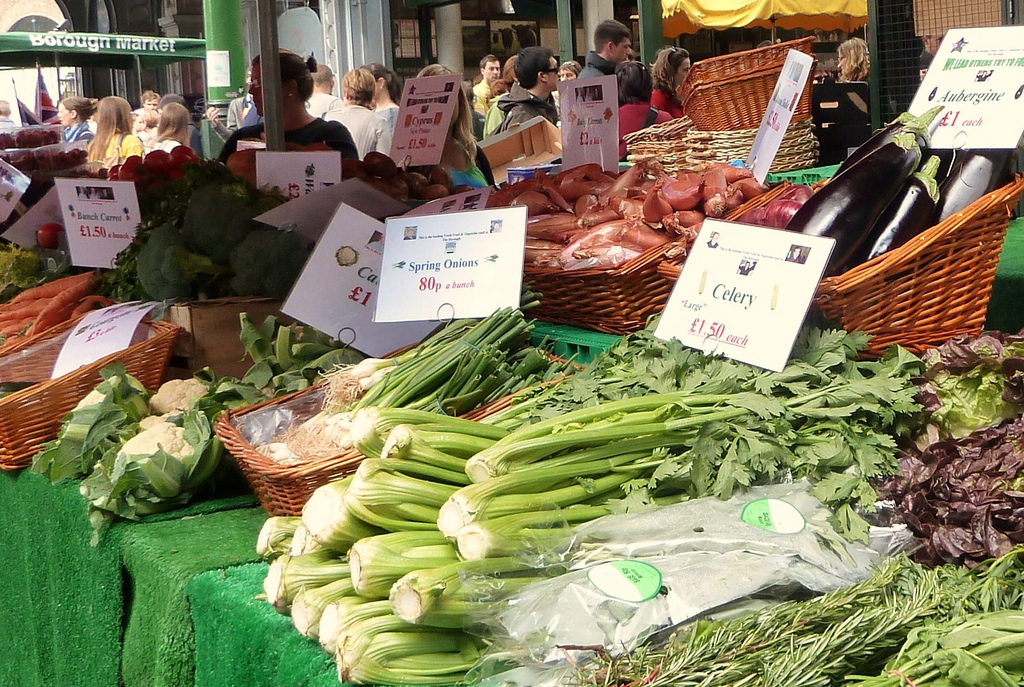
See the Greek version of this postSince we started getting an organic fruit and veg box delivery each week I have been trying out all sorts of new things. It’s so exciting to be getting vegetables every week that you’ve never tried. It makes you look for information, learn and do new stuff. Sort of brilliant.

Especially since we are going through Lent (and the Greek version is a bit weird as I was saying the other day) it’s great to be doing different things with veggies.

Continue reading

Cooking for trouble (in a yummy way) – working with Unilever and OgilvyOne for Hellmann’s

sofia_ioc

See the Greek version of this post

My, this is a long – and yummy – story, but it had to be shared. So here’s a bit of gossip about my cooking adventure with Unilever Greece and OgilvyOne Athens for Hellmann’s.

The people at the two companies found the Greek version of Digital Scullery and my cooking videos in Greek. Apparently they liked them and they approached me. We got together to create Πας Μαγειρεύοντας – the closest translation might be Cooking for Trouble – an online cooking show.

Continue reading

Greek Orthodox Lent menu: Going vegan(ish)

vegetables

One of the things you have to understand about Greek food (apart from the obvious stuff like souvlaki, frappe, koulourakia and all that) is that at least once a year the word “nistisimo” appears almost everywhere. It’s probably Lent, aka Sarakosti

Continue reading

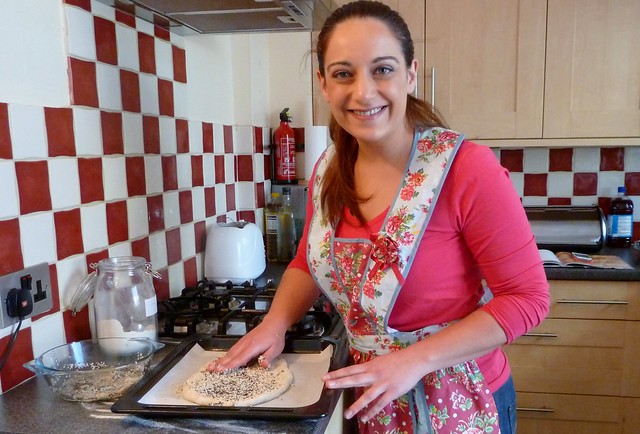
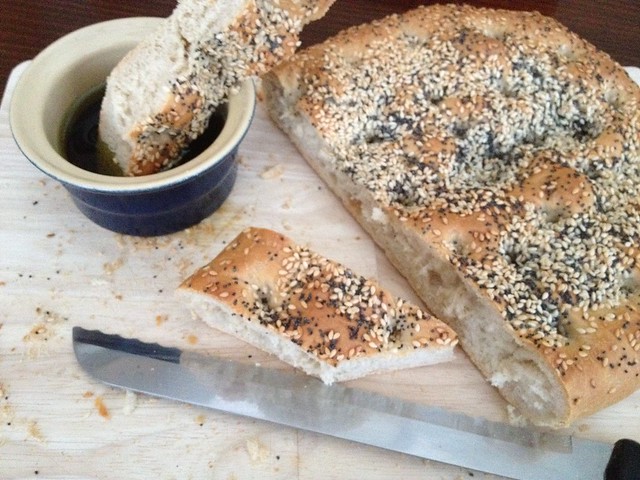
Lagana bread recipe for Clean Monday

La la la la la la lagana!

See the Greek version of this postLent for the Greek Orhodox people starts on a Monday. Much neater that way, don’t you think?

I already posted the other day on Tsiknopempti, our BBQ Thursday. Then there is the Sunday of Apokreo – very similar to Halloween, but probably a bit more Dionysian in nature – when we dress up, eat, drink, dance and generally go a bit crazy.

The next day is Clean Monday, the start of the Great Lent, 40 days of no animal products whatsoever. Supposedly. Most Greeks don’t fast during Lent anymore. However, I’ve heard it’s quite good for detox to abstain from animal products now and again.

Continue reading

Social media baking: Lagana Bread

(refresh – this post is updated – working draft as I bake, take pics, video, update facebook (in Greek) and tweet (in English).) 

(This post was being updated while I was baking. Thank you for the nice comments and support on Facebook and twitter. Full normal post (and video) coming up

21:00

Check our the full normal recipe post with loads of pics and tips

17:45

It’s all gone Pete Tong. Or rather, half of the two laganas is gone. We chomped it all!

Baked each for 20 minutes and they came out lovely!

Here’s a quick pic and I will be uploading a full proper post (and video) tonight with full explanations of what the heck lagana bread is.

Lagana Bread done

Continue reading

Tsiknopempti – the Greek BBQ Thursday and some survival tips

If you ever happen to be walking around a Greek town or village and it seems that there are BBQ smells everywhere chances are it’s probably Tsiknopempti. (It could also be Easter Sunday but in that case the smell is the roasting lamb on a spit so you’ll know quite quickly which is which).

Tsiknopempti comes from the words tsikna (the characteristic bbq meat smell) and Pempti (Thursday). It comes about once a year, about two weeks before Lent starts.

Continue reading

Onions stuffed with cheese by Dimitris

Onions stuffed with cheese by Dimitris

See the Greek version of this postThere is a whole host of dishes we make in Greece which are classed as ‘meze‘. These are small (or big) plates of delicacies and nibbles (not prawns on stick or mini sausage rolls though) which are served with tsipouro (a.k.a. raki) or ouzo. Try not to drink the later if you’re not used to them. Meze can be simple – just a few slices of cheese and tomatoes, more complicated like boureki or just out-of-this-world, like today’s recipe.

Continue reading